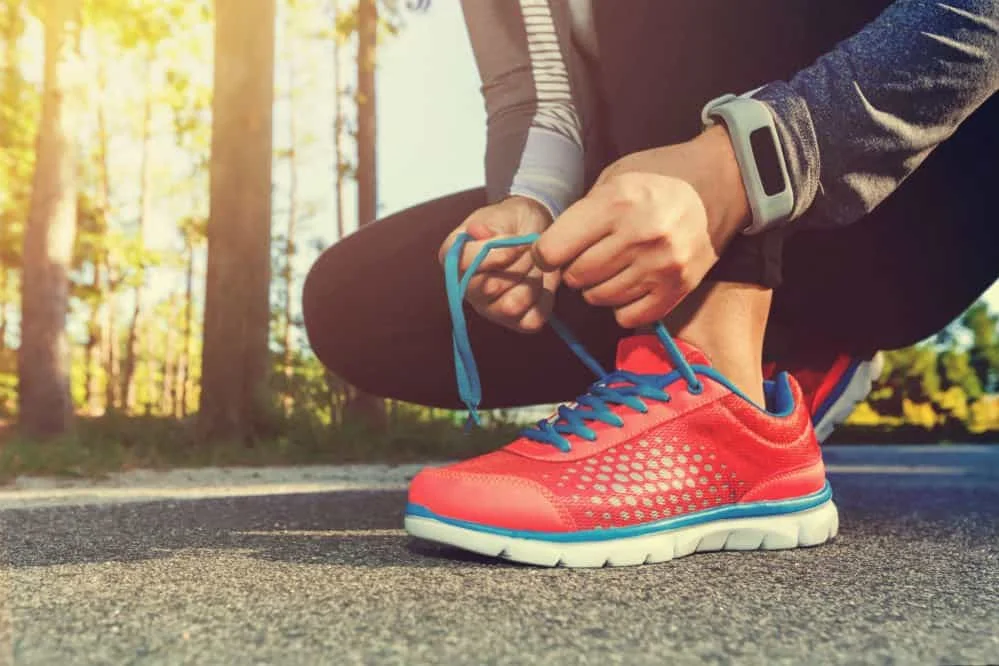
When we talk about running shoes, finding the perfect fit is important for excellent performance and comfort. One often overlooked aspect is how tight to tie running shoes? Striking the right balance is essential to preventing discomfort, blisters, and even injuries.
It’s important to ensure a snug fit that provides stability and support without constricting blood flow or causing discomfort. In this blog post, we’ll explore the ideal tightness for tying your running shoes to help you achieve your best stride.
How tight should running shoes be laced?
When lacing your running shoes, they should be snug but not overly tight. The laces should provide a secure fit that prevents your foot from sliding around inside the shoe.
Avoid lacing them too tightly, as this can restrict blood flow and cause discomfort. Experiment with different lacing techniques to find the right balance of snugness and comfort for your feet.
How to Lace running Shoes?
Lacing your running shoes properly can enhance comfort, provide support, and prevent foot issues. Here’s a step-by-step guide on how to lace your running shoes:
Start by loosening the laces completely to create ample space for your foot to slide in comfortably.
Place your foot inside the shoe and ensure your heel is snugly positioned at the back.
Begin lacing by crossing the laces over each other at the bottom and pulling them tight.
As you move up, alternate the laces through each set of eyelets, creating a crisscross pattern.
Continue lacing until you reach the top, ensuring the tension is even on both sides.
Tie a secure knot or bow at the top to keep the laces in place.
What Are the Extra Lace Holes on Running Shoes For?
The extra lace holes, often found on the top of running shoes, are called “heel lock” or “runner’s loop” eyelets. These additional holes serve a specific purpose.
By lacing your shoelaces through these holes, you can create a more secure fit around the heel area.
This technique, known as the “heel lock” or “lace lock” method, helps prevent heel slippage and provides added stability during running or other high-impact activities.
It can be especially beneficial for individuals with narrow heels or those seeking extra support in the heel area.

Other Tips For Running Shoe Comfort
In addition to lacing running shoes properly, here are some additional tips to enhance comfort and learn how tight should my running shoes be:
Choose the right shoe size: Ensure your running shoes are the correct size, allowing enough room for your toes to move and preventing tightness or discomfort.
Consider your foot type: Different shoes are designed for different foot types (e.g., neutral, overpronation, or supination). Understanding your foot type can help you select shoes that provide the appropriate support and cushioning.
Break them in: Before embarking on long runs, gradually break in your new running shoes by wearing them for shorter periods. This allows the shoes to mold to your feet and reduces the risk of blisters or discomfort.
Use moisture-wicking socks: For moisture-wicking socks made of synthetic materials to keep your feet dry and reduce the risk of blisters.
Replace worn-out shoes: Regularly check the condition of your running shoes and replace them when they show signs of wear and tear. Worn-out shoes can lead to discomfort and a lack of support.
Listen to your body: Pay attention to any discomfort or pain during your runs. If you experience persistent discomfort, it may be a sign that your shoes are not providing the necessary support or fit.
Use the Runner’s Heel Lock
The Runner’s Heel Lock, also known as the lace lock technique, is a great way to secure your heel and prevent slippage. Here’s how to use it:
Start by lacing your running shoes normally until you reach the second-to-last set of eyelets.
Instead of crossing the laces over each other, thread each lace end through the top eyelet on the same side, creating a loop on each side.
Cross the laces over each other and insert each lace end into the loop on the opposite side.
Pull the laces tight to create a secure lock around the top of your foot.
Continue lacing the shoes as usual until you reach the top, and tie a knot or bow to secure the laces.
Which Is The Best Way To Lace Up My Running Shoes?
How tight should you tie your shoes? The answer to this question is that the best way to lace up your running shoes ultimately depends on your individual foot shape, preferences, and any specific issues you may have. However, here is a commonly recommended lacing technique that can provide a secure and comfortable fit:
Start by loosening the laces completely to create ample space for your foot to slide in comfortably.
Place your foot inside the shoe and ensure your heel is snugly positioned at the back.
Begin lacing by crossing the laces over each other at the bottom and pulling them tight.
As you move up, create a crisscross pattern by alternating the laces through each set of eyelets.
Continue lacing until you reach the top, ensuring the tension is even on both sides.
Tie a secure knot or bow at the top to keep the laces in place.
Is There A Best Way To Lace Running Shoes?
There isn’t a single “best” way to lace running shoes as it largely depends on individual preferences and foot characteristics. However, here are a few popular lacing techniques that you can try:
Standard Crisscross: This is the most common lacing method, where the laces crisscross through the eyelets from bottom to top.
Heel Lock: To prevent heel slippage, use the “heel lock” or “lace lock” technique. After the standard crisscross, feed the laces through the top eyelets, creating a loop on each side. Cross the laces through the loops and pull them tight to secure the heel area.
Wide Forefoot: If you have a wider forefoot, skip lacing one or two eyelets in the middle section to create more space and alleviate pressure.
High Arch: For individuals with high arches, skip lacing the eyelets closest to the toes to allow for more flexibility and reduce discomfort.
Relieving Pressure: If you experience pressure points or discomfort in specific areas, such as the top of the foot, skip lacing the corresponding eyelets to relieve pressure.
Conclusion
Finding the right tightness when tying your running shoes is a key factor in enhancing your running experience.
By striking the perfect balance between snugness and comfort, you can prevent discomfort, blisters, and potential injuries.
Remember to adjust the tightness based on your individual preferences and foot shape. Experiment with different lacing techniques and listen to your body to find the ideal fit.
With properly tied running shoes, you’ll be ready to hit the pavement with confidence and enjoy a smooth and comfortable run.
Frequently Asked Questions
It is not necessarily better to run with shoes tied tight. The ideal tightness varies for each individual, and it’s important to find a balance that provides comfort and support.
Running shoes should not be excessively tight. They should provide a snug fit that offers stability and support without causing discomfort or restricting blood flow.
Yes, a 0.5 shoe size difference can make a significant impact on the fit and comfort of running shoes. It can affect the toe room, overall fit, and prevent issues such as blisters or discomfort during running.
A running shoe should fit snugly but not too tight. There should be enough room in the toe box for your toes to wiggle, and the shoe should provide support and stability during running.
Author
Hi, I’m Mr. Tiger! CEO of specialshoes.net and have 30 years of experience in the Sports Shoe industry. This scientific and vast experience equipped me with the knowledge and understanding to assist you in finding the perfect pair of shoes for your specific sports and individual needs. I always stay up-to-date with the latest trends and advancements in sports footwear technology, ensuring that my recommendations are always relevant and reliable. Thanks for visiting my site. I hope you enjoy the resources.

Restoring leather shoes is an essential process that can bring new life to your favorite footwear. Not only does it help revive their appearance, but it also extends their lifespan. Whether your leather shoes have scratches, stains, or simply lost their luster, restoring them can make them look as good as new. In this article,…
Are you an avid badminton player who’s wondering if your trusty tennis shoes can double up for the game? In this article, we will explore whether tennis shoes can be used for badminton and shed light on the key differences between these two sports. By understanding the specific requirements of badminton and the features of…
Customizing basketball shoes is a great way to express your personal style and make your shoes stand out from the crowd. There are many different ways to customize your shoes, from simple color changes to complex designs and patterns. In this blog post, we will walk you through the steps of how to customize your…
Welcome to our guide on the tennis shoes worn by the legendary Rafael Nadal. As one of the most successful and influential tennis players of all time, Nadal’s choice of footwear is of great interest to fans and aspiring athletes alike. In this article, we will delve into the specific tennis shoe models that Nadal…
While running shoes may not provide the same level of ankle support as hiking boots, they are often more versatile. A running shoe can be used both on trail and off trail, which favours a hiker who prefers a shoe that can do it all. Are running shoes good for hiking? This is a common…
Introduction Of This Topic: When it comes to fixing a cracked sole of a shoe, timely repair is crucial to ensure the shoe’s longevity. A cracked sole not only affects the shoe’s aesthetics but also compromises its functionality. To address this issue, several simple steps can be followed. Firstly, clean the sole and remove any…